Claude Monet was one of the most important painters of the 18th century, living between 1840 and 1926. He was the founder of the Impressionist movement in paintings, even the name comes from its painting “Impression, Sunrise”. He was born in Paris, but soon after, his family moved to Le Havre, in Normandy. The Le Havre museum now features many of the paintings by Monet and can be visited by those who wish to discover his work… He then returned to Paris, in order to study art with some of the masters of those ages. Here, he started to paint mainly landscapes with a technique called “en plein air”, that later became known by the whole world as Impressionism. His works now embellish the walls of some of the most renowned museums of Paris. Most of them are hosted in the prestigious Orsay Museum, including: Women in the garden, Lady in green, The cart, Rough Sea at Etretat, Train in the country, Pleasure Boat – Argenteuil and many others. Other museums from Paris that exhibit his works are the Louvre and the Marmottan Museums. The last one features maybe his most important masterpiece, Impression: Sunrise.
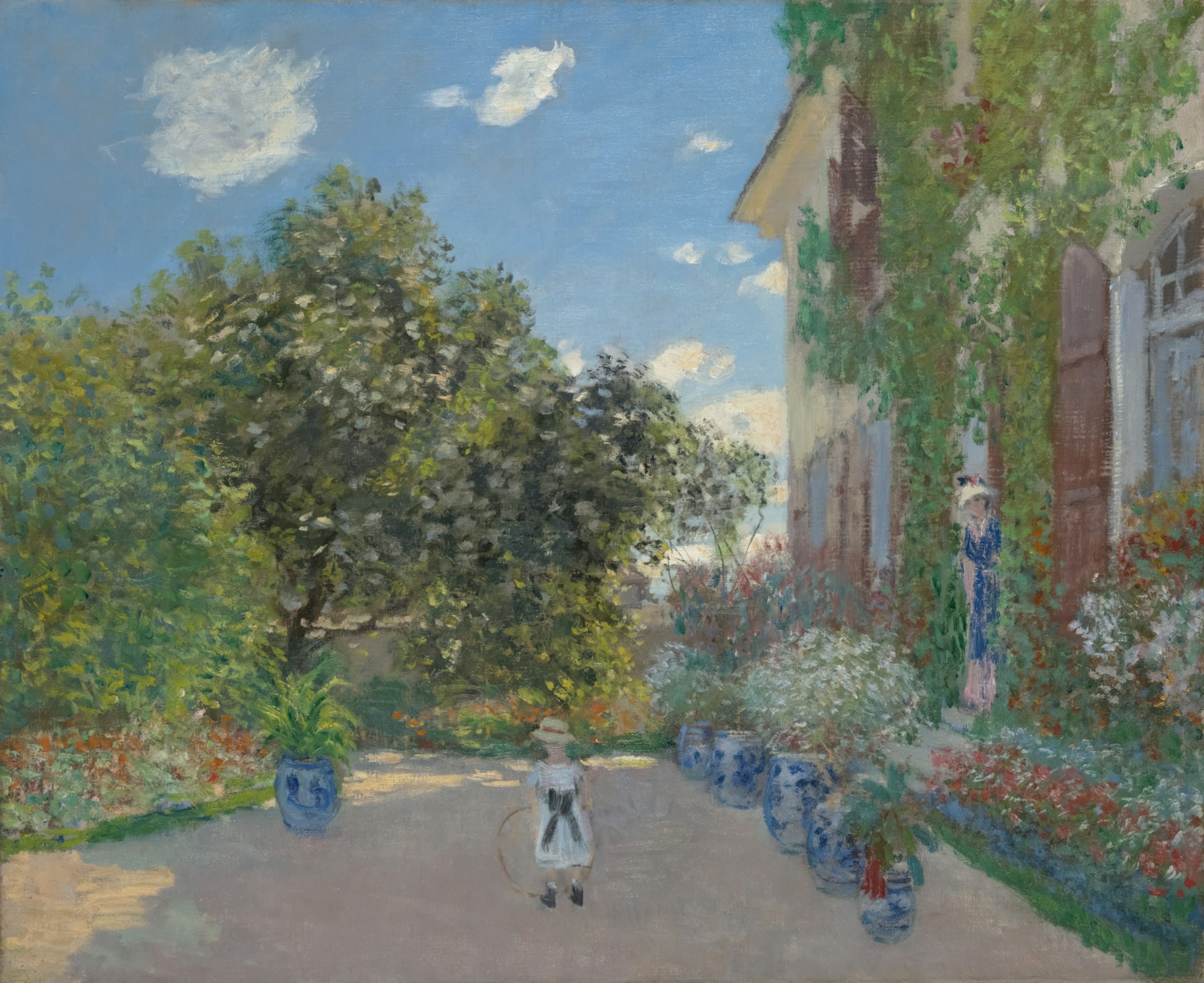
During the Franco-Prussian War, Claude Monet lived in London for about one year and then moved to the Netherlands, where he lived in Zaandam. Here, he painted over 20 paintings, most of them inspired by the beautiful local landscapes, with mills and canals. Soon after, he returned to France and lived in the small village of Argenteuil, near Paris and on the banks of the Seine River. Tourists may visit the house where Monet lived and that also became an inspiration for some of his works. Many beautiful paintings came in this period, including some that portrayed the picturesque nature near the village and the beauty of the Seine. After the death of his first wife, Monet moved to a series of French villages, some of them becoming an inspiration for his paintings. Those that want to discover the steps of the great artist can visit these places for a great cultural experience: Vetheuil, Poissy and Vernon. Lastly, he moved to Giverny, in Upper Normandy, where he painted for almost the rest of his life. He started painting a great amount of landscapes and seascapes that are now part of some of the most prestigious museums and art galleries all around the world.
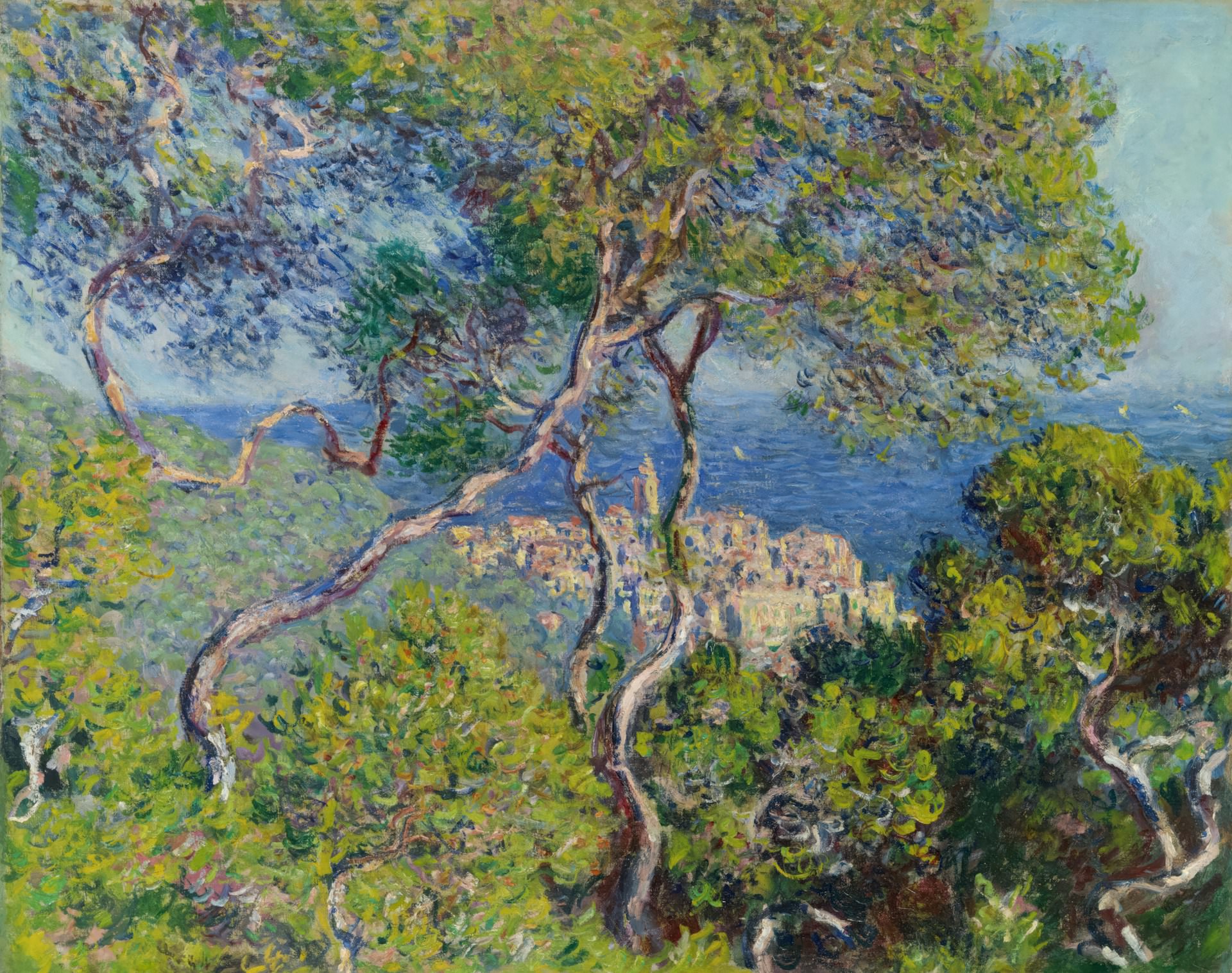
Giverny now hosts the painter’s memorial house and the cemetery where he is buried. This tourist attraction is one of the two important places of this French village. His garden and the surrounding areas became subjects of his paintings. He also traveled around Europe and painted some very beautiful spots, including Venice, London and tourist attractions in France. A tourist that wishes to discover the career and works of one of the greatest artists in the world should stroll on the streets of Paris, visit the beautiful banks of the Seine River, wander around central London, discover some places in the Netherlands, but most importantly, experience the French rural life and natural sights.Monet’s works can be seen in these museums around the world: Orsay in Paris, Louvre in Paris, Marmotan in Paris, National Gallery of Art in Washington, Neue Pinakothek in Munchen, National Museum of Western Art in Tokyo, Hermitage in Sankt Petersburg, Metropolitan Museum of Art in New York and other museums in Boston, Rouen, Lyon, Dallas, Rotterdam, Zurich, Chicago, London, as well as private collections.
Recommended Accommodation in Giverny
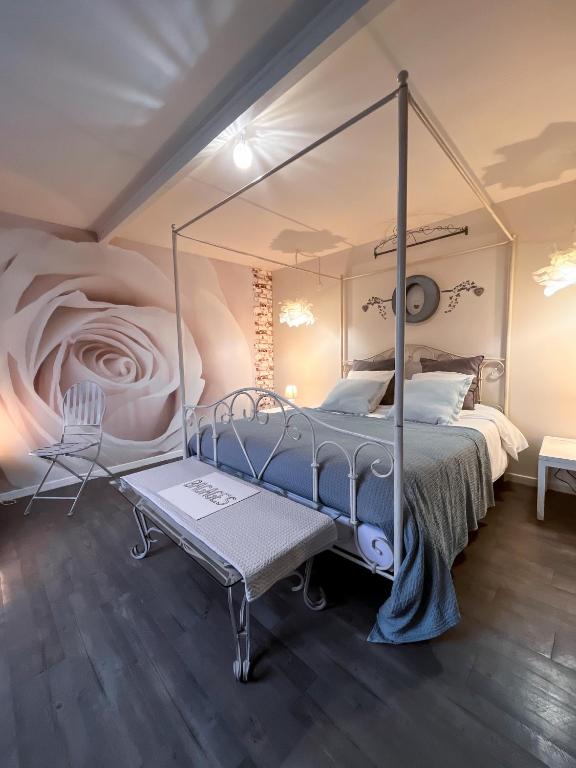
GIVERNEl ***
Rating 8.0 rom 303 reviews!
Housed inside a building dating back to the 19th century, this accommodation features two spacious bedrooms, a living area and a small kitchen. It is located just 600 meters from the Monet Gardens and Home!
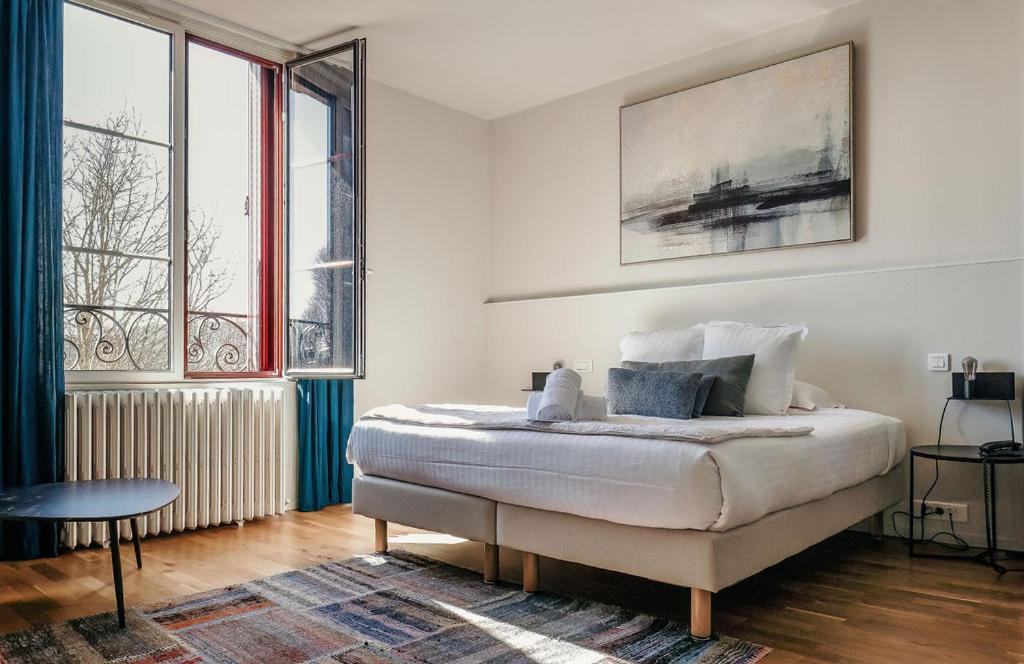
La Musardiere ***
Rating 8.1 from 637 reviews!
This superb hotel and restaurant is located just a few minutes from the house of Monet and features spacious and welcoming rooms, as well as an esteemed restaurant and a bar!
Cover Photo by Nick Fewings on Unsplash